UK Politics

From Remoaners to StayinEuropeans

Published: Policy Network

In June 2015 the negotiations between Athens and Brussels regarding the terms of financial aid for Greece broke-down. Negotiations over the previous five months were contentious and ill-tempered, as both sides refused to back-down. As the deadline of June 30 came and went – when Greece was due to make their next repayment to the International Monetary Fund – no deal was reached, and Greece became the first European state to default on a payment to the IMF(…) Read full article. 

Standard
Brexit

Γιατί τo Brexit δεν θα συμβεί στις 29 Μαρτίου

Τρεις κρίσιμες ψηφοφορίες μέσα στον Μάρτιο για το Brexit ανακοίνωσε η πρωθυπουργός Tερέζα Μέι.

Στις 12 Μαρτίου θα έρθει ξανά η έγκριση της συμφωνίας εξόδου με τις Βρυξέλλες. Αν η συμφωνία απορριφθεί εκ νέου, τότε στις 13 Μαρτίου η Βουλή θα ψηφίσει αν θέλει έξοδο χωρίς συμφωνία. Εφόσον η μη συμφωνία αποκλειστεί ως σενάριο, τότε στις 14 Μαρτίου η Βουλή θα ψηφίσει για το αν συμφωνεί να ζητήσει η κυβέρνηση παράταση από την ΕΕ μέχρι τον Ιούνιο.

Το πιθανότερο σενάριο είναι να συμβούν και τα τρία: Καταψήφιση της συμφωνίας, απόρριψη της μη συμφωνίας και αίτημα για παράταση. Σε περίπτωση που η συμφωνία υπερψηφιστεί τότε ξεκινάνε νέες δυσκολίες για να περάσει και η εθνική νομοθεσία, απαραίτητη για το Brexit. H κυβέρνηση δηλαδή ίσως ζητήσει την παράταση έτσι κι αλλιώς.

Η Βουλή μας έχει ήδη προϊδεάσει για τις προθέσεις της. Η συμφωνία καταψηφίστηκε ήδη μία φορά στις 19 Ιανουαρίου. Δέκα μέρες αργότερα η Βουλή ζήτησε από τη Μέι να αποκλείσει το ενδεχόμενο εξόδου χωρίς συμφωνία. Πριν την τελευταία ανακοίνωσή της πρωθυπουργού ήταν σχεδόν βέβαιο ότι οι βουλευτές θα υπερψήφιζαν υποερκομματική τροπολογία που προέβλεπε παράταση. Το έκαναν τελικά την επομένη με μεγάλη πλειοψηφία (502-20).

Στο μεταξύ, οι Εργατικοί θα καταθέσουν τροπολογία για δεύτερο δημοψήφισμα. Η τύχη της θα κριθεί λίγη ώρα πριν την ψηφοφορία για τη συμφωνία στις 12 Μαρτίου. Αν η συμφωνία περάσει, αλλά στο μεταξύ έχει υπερψηφιστεί και η τροπολογία, τότε θα πάμε σε δημοψήφισμα με το ερώτημα: Θέλετε τη συμφωνία της Μέι ή να μείνουμε στην ΕΕ; Δηλαδή, όποιος ψηφίζει Brexit, θα ψηφίζει και επανάληψη του δημοψηφίσματος. Γι’ αυτόν τον λόγο είναι απίθανο να βρεθούν οι ψήφοι που λείπουν στον Κόρμπιν (ανάμεσα τους 27 Brexiteers Εργατικοί βουλευτές σε εκλογικές περιφέρειες που ψήφισαν leave).

Η παράταση πρέπει να εγκριθεί ομόφωνα από την ΕΕ. Αν και οι Βρυξέλλες εξαρτούν την έγκριση της παράτασης από μία κανούργια εξέλιξη στη στάση των Βρετανών (για παράδειγμα έγκριση της συμφωνίας, διενέργεια δεύτερου δημοψηφίσματος, κατάθεση σοβαρής εναλλακτικής πρότασης) είναι βέβαιο ότι τελικά θα συναινέσουν.

Η παράταση είναι καλύτερη από την άτακτη έξοδο, αλλά χειρότερη από την οριστική διευθέτηση του ζητήματος που ταλαιπωρεί την πολιτική ζωή της Βρετανίας και ανησυχεί τις επιχειρήσεις. Πάμε σε τρεις μήνες που μάλλον θα είναι ίδιοι με τους τρεις τελευταίους.

Standard
Greece

Η αναμέτρηση ενός γιατρού με την ιστορία

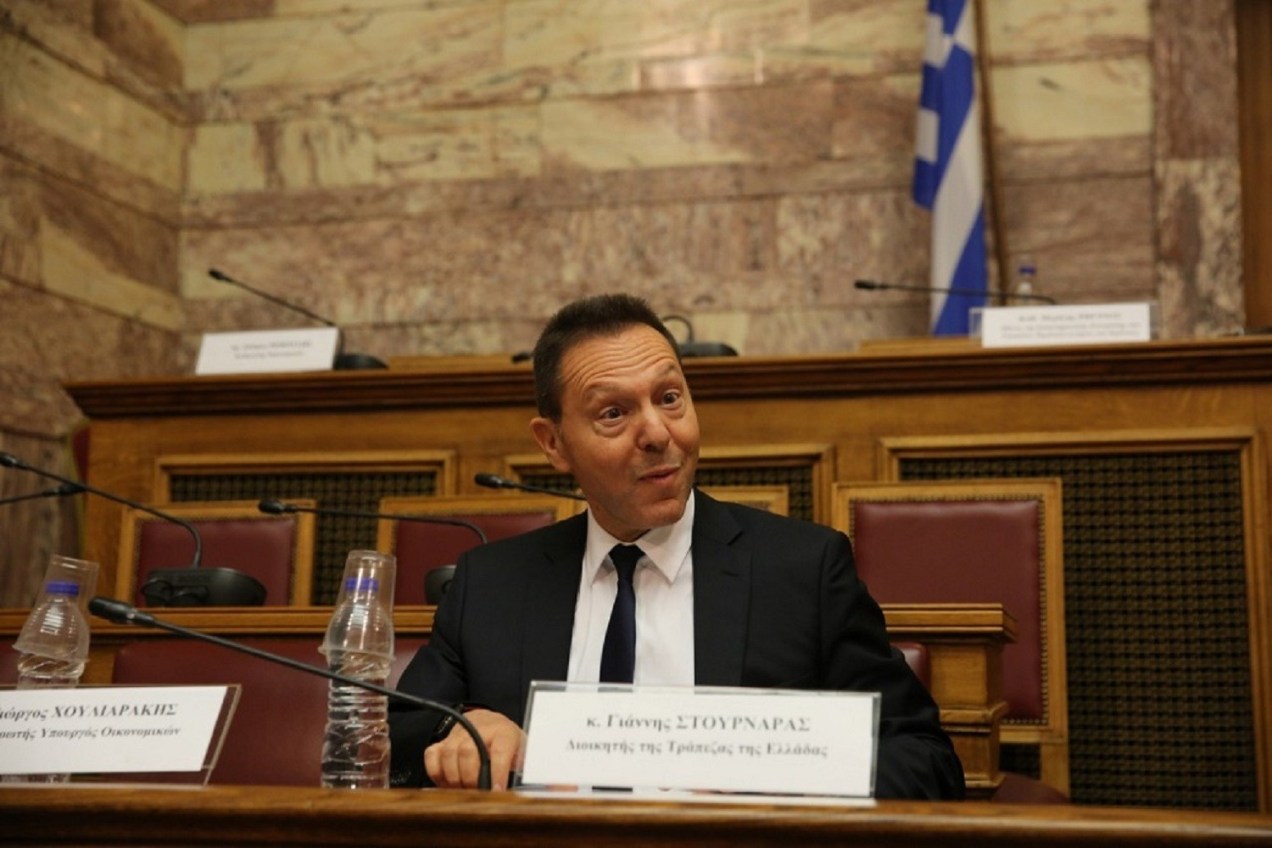
Η Εφημερίδα των Συντακτών έχει δίκιο. Δεν ταιριάζει σε δυτική χώρα να τηλεφωνεί υπουργός στον κεντρικό τραπεζίτη για να τον απειλήσει.  Δυστυχώς όμως έχουν συμβεί και χειρότερα. Υπουργός Οικονομικών έκλεισε τις τράπεζες για να δει πώς είναι, και μετά να το πει περιχαρής στη γυναίκα του. Δεν έχει νόημα να συνεχίσουμε με τη λίστα. Οι εξελίξεις την καθιστούν διαρκώς ανεπίκαιρη. Τα ανδραγαθήματα  θα εξακολουθήσουν να εκτυλίσσονται καθημερινά μπροστά μας, όπως συμβαίνει με μοναδική συνέπεια εδώ και τέσσερα χρόνια.

Υπάρχουν όμως κάποια χρήσιμα συμπεράσματα από το τηλεφώνημα του Πολάκη.

Πριν διαμαρτυρηθεί στον Στουρνάνα, για τον -κατά τη γνώμη του- κακόπιστο έλεγχο του δανείου του, είπε ότι έβγαζε τριπλάσια από όσα βγάζει τώρα ως βουλευτής. Τα χρήματα αυτά δεν αντιστοιχούν στο πόθεν έσχες του. Κανείς δεν σκανδαλίζεται ιδιαιτέρως με τον ισχυρισμό του υπουργού. Στη χώρα μας, είναι άγραφος κανόνας να φοροδιαφεύγει ο γιατρός που ιδιωτεύει (ενίοτε και εντός του δημοσίου νοσοκομείου). Ο πλούτος είναι αρκετός για να καταξιωθεί επαγγελματικά και κοινωνικά, ανεξαρτήτως της φορολογικής του δήλωσης. Η φύση του επαγγέλματος, σε συνδυασμό με την πρόσληψη της Ελλάδας ως Ψωρoκώσταινας, καθιέρωσε την αντίληψη πως ο γιατρός αξίζει το κάτι παραπάνω. Γι’ αυτό και κάθε μέθοδος νομιμοποιείται, αρκεί να συνίσταται από τον ίδιο, και φυσικά να είναι προσοδοφόρα για εκείνον (βλέπε το ρεκόρ της Ελλάδας στις καισαρικές).

Η ομολογία Πολάκη περνάει απαρατήρητη και από το Μαξίμου και την ανακοίνωσή του σχετικά με το τηλεφώνημα στον Στουρνάρα. Πέραν όλων των άλλων, η στάση της κυβέρνησης είναι μία υπενθύμιση του ευκαιριακού χαρακτήρα της υπερφορολόγησης της μεσαίας τάξης. Ο αδήλωτος πλούτος κάποιου είναι ok, κοινή πρακτική. Ο δηλωμένος πλούτος είναι ιστορική ευκαιρία για αναδιανομή του εθνικού εισοδήματος προς όφελος των φτωχών. Ένας ελεύθερος επαγγελματίας που δηλώνει  50 χιλιάδες ευρώ πρέπει να δίνει τα 32.000 στο κράτος. Ο Πολάκης μπορεί να λέει ότι έβγαζε διπλά και τριπλά, χωρίς να εξηγεί γιατί δεν φαίνονται. Εδώ δεν έχουμε να κάνουμε με ένα κόμμα που ασφυκτιά από τις παθογένειες, και βρίσκεται σε ιστορική αποστολή κατάργησής τους, όπως διαρκώς και αυτάρεσκα μας υπενθυμίζουν τα ίδια τα στελέχη του. Μία τέτοια πολιτική δύναμη θα είχε ενστικτώδη δυσανεξία σε δηλώσεις όπως αυτές του Πολάκη. Όπως όμως συναισθανόμαστε όλοι, ο ΣΥΡΙΖΑ βρήκε έναν τρόπο είσπραξης, ώστε να μπορέσει να ανταποκριθεί στις υποχρεώσεις του μνημονίου. Όχι πάντως ευκαιρία για να αναμετρηθεί με την ιστορία και τις ανισότητές της.

Τις ιστορικές αναμετρήσεις τις έχει αφήσει στον Πολάκη.  Ο υπουργός δεν επινοεί τις συγκρούσεις, ούτε έχει φυσικά το πολιτικό κεφάλαιο να κάνει ό,τι του κατεβαίνει στο κεφάλι. Απλώς, φουσκώνει αυτά που έχει ήδη ετοιμάσει και σερβίρει ήδη ο Τσίπρας. Ο πρωθυπουργός πρώτα έλεγε ότι θα πετούσε τον Στουρνάρα από το γραφείο με τις κλωτσιές, μετά η οικονομική αστυνομία πήγε να ελέγξει τη γυναίκα του. Ε, κάποια στιγμή θα περάσει από το γραφείο μία βόλτα και ο Πολάκης για να μετρηθούν οι δυο τους. Για κακή τύχη του Στουρνάρα, ο υπουργός εκτός από τις ιατρικές του δεξιότητες, επαίρεται και για την τέχνη του στο να παίρνει τα μέτρα των αντιπάλων του. Γι’ αυτό ας επισπεύσει τους ελέγχους ο διοικητής, είναι κρίμα να τον ψάχνουν οι δικοί του.

Standard
Brexit, Greece, UK Politics

Brexit vs Grexit: The six stages of losing to the EU

Published: EUobserver

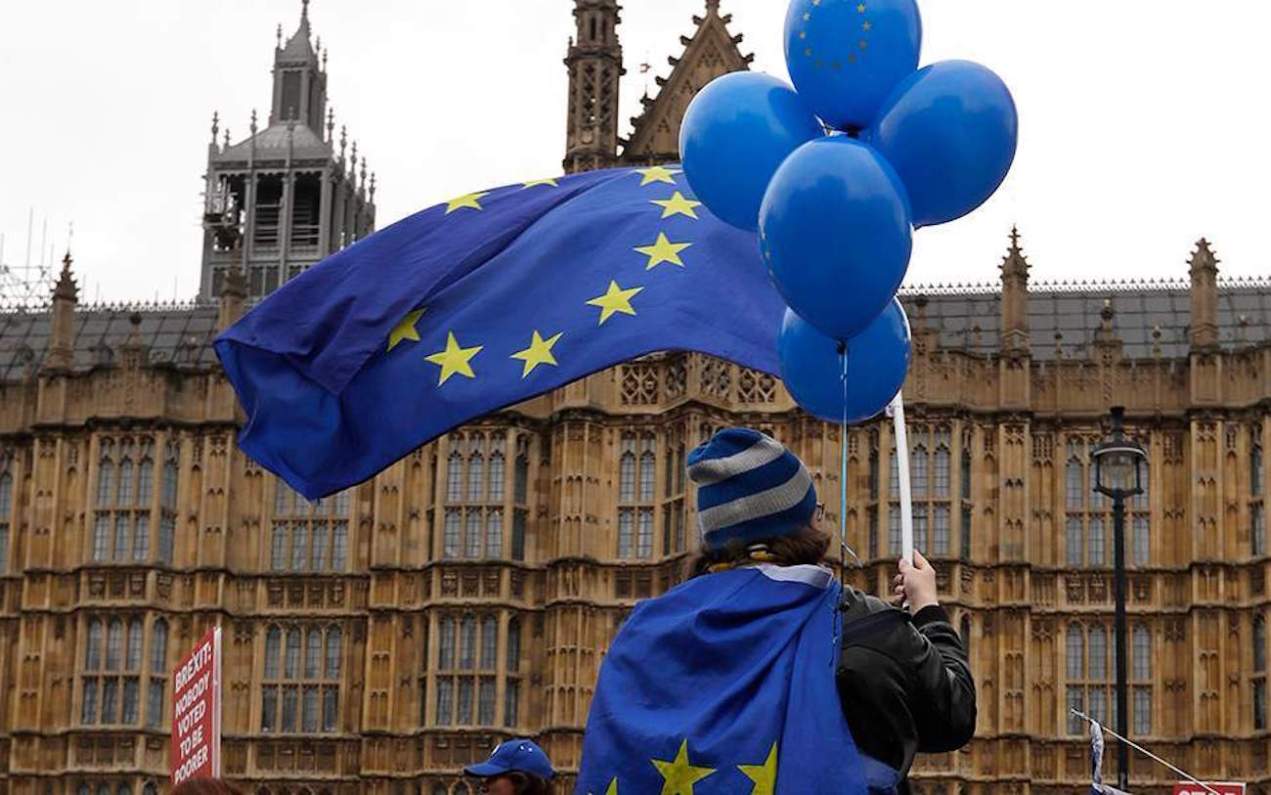
As Theresa May is trying to convince Brussels to accept Britain’s terms for exiting the EU, the international community is almost certain that the attempt will fail.

The British government will persist in presenting the negotiations as a national success irrespective of the outcome.

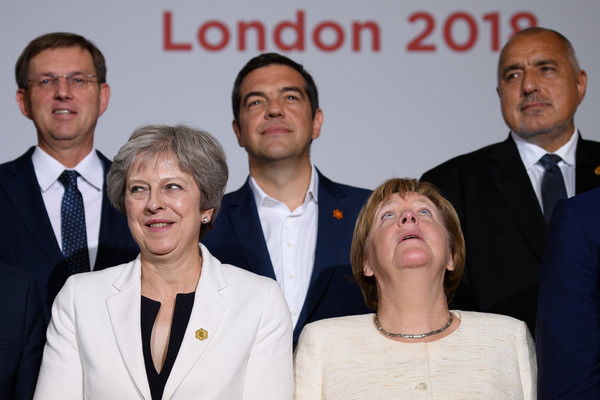
May’s venture seems very similar to the last, failed attempt by Greek prime minister Alexis Tsipras in 2015 to persuade Brussels to accept his terms for a memorandum on financial assistance, when a huge negotiation failure was presented to the public as the best possible deal with the EU.

Actually, Britain has already passed through, successively and with exact precision, all of the stages that the Greek government also had to endure during its own negotiations with Brussels.

Stage 1: There’s always a better (super-easy) deal

Both countries decided at some point that they could continue their relationship with Europe but without being bound by the rules that applied for everyone else.

Indeed, they thought that an exception in their case could be enforced promptly and easily.

“We will cancel the memorandum with a one-article law”, Tsipras said in 2012. In 2017 Liam Fox, the British minister for international trade, was making a similar assumption when he described the free trade agreement with the EU as “one of the easiest in human history”.

Stage 2: Domino effect

When Europe failed to succumb to their demands, imaginary allies entered the equation.

According to the rhetoric of both Syriza and the Brexiteers, their countries were also speaking on behalf of neighbours who shared their desire for a head-on confrontation with the European Union.

“The political change in Greece will trigger a domino effect in Europe, beginning in the south,” Tsipras predicted in 2014.

“We will trigger a domino effect. After us, other northern European countries will leave, starting with Denmark”, said Nigel Farage immediately after the referendum.

Stage 3: Constructive ambiguity (aka ‘Plan B’)

Throughout the negotiations, Britons and Greeks claimed that the vagueness with which they treated the pressing questions of the EU was a deliberate tactical manoeuvre.

“Constructive ambiguity is absolutely necessary in our discussions with our EU partners,” Yanis Varoufakis was saying in 2015.

“You will find it difficult sometimes to read what we intend. That’s deliberate. I’m afraid in negotiations you do have constructive ambiguity from time to time, to borrow a nice phrase”, said David Davis in 2017.

The negotiations came to an impasse, whereupon constructive ambiguity was renamed ‘Plan B’ in both countries; Plan B is also obscure, and again supposedly a tactical ploy.

Stage 4: We’re in trouble

“The night of the referendum I walked into the office of Alexis Tsipras and he was completely discouraged and depressed,” said Varoufakis in 2015.

“Boris Johnson did not want to win the referendum. He would have preferred to lose by a small margin,” Sir Alan Duncan said in 2016.

Both the Greek prime minister and the former British foreign secretary supported the side that won, but the day after the referendums they were called upon to manage situations that had slipped out of their control.

Stage 5: Great hopes or self-deceptions

When the winners of the referendums came face to face with reality, they again sought refuge in emotional statements to justify their previous optimism, though this time with a personal tone.

Tsipras said that the only thing his political opponents could reproach him for was “his illusions” that Europe would retreat before his leftist ideals.

In a similar statement, Davis, the original minister for exiting the European Union, said that he did not intend to apologise simply because he had had “great hopes” about the deal that his country could make with the EU.

It is very interesting that while both politicians are describing the same failure, they fall back on the ideological archetypes of their parties to justify themselves in the eyes of their voters.

Confronting a left-wing audience Tsipras plays the part of a deceived Don Quixote; Davis assumes the role of a determined strongman trying to reach the top by his own efforts but without the support of a system he trusts.

Stage 6: Let’s blame the negotiation

When no solution works, the problem is attributed to the negotiator and the deal he or she negotiated.

Someone else would have done better. The deals agreed are described in dramatic terms of irreversible disaster.

The memorandums before the Syriza-era were presented by Tsipras as agreements that would keep Greece “bound by its creditors forever”.

According to Davis, Theresa May’s Chequers terms would keep Britain “trapped forever within the EU”.

So, May and Tsipras embarked on a new negotiation, conveying national demands for a last stand.

The internal processes (referendum in the Greek case, the vote at Westminster for May) were presented to Brussels as democratic commandments of historical importance that bind not only the national governments that brought them to the negotiating table, but also the negotiators on the other side of that table.

We know the outcome of the six stages of the Greek negotiation.

It remains to be seen how May’s Stage 6 will play out. If however we wish to have an idea of how Brussels will deal with the demands of the British parliament, we should remember how it reacted to the decisive defeat of the bail out terms in the Greek referendum of 2015.

They ignored it.

Standard